


You want to learn drums but can't have a kit at home. No space, too much noise, too expensive… or all three. It's more common than you think. The good news is you can make real progress without a drum kit. In fact, a lot of drummers practice like this more often than you'd expect. Here are 7 methods that actually work.
1. Use a virtual drum kit
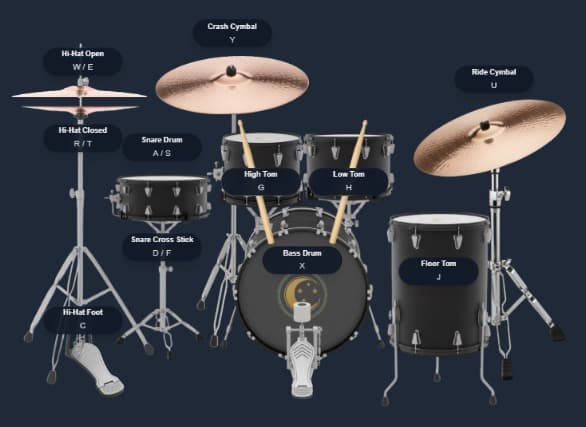
This is the easiest way to start. A virtual drum kit gives you the full setup in your browser: kick, snare, hi-hat, toms, cymbals… You can play with your keyboard or mouse. It's not the same as a real kit, but it's great for understanding rhythms and how everything fits together. More than enough to get started.
2. Practice with a pad
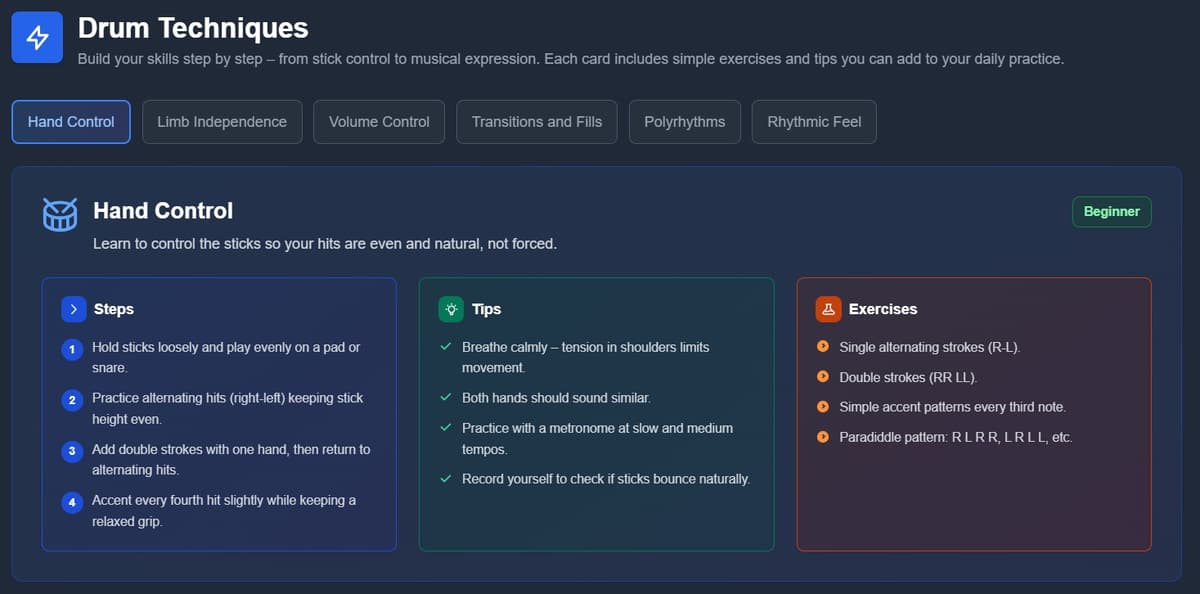
A practice pad is essential. It's a quiet surface that mimics the rebound of a real drum. With a pair of sticks, you can work on control, speed, doubles, rudiments… all the basics. It's cheap and you can use it anywhere. Add a metronome and you're set.
3. Use whatever you have around
You don't always need proper gear. Your legs, a table, a book… anything flat works. You won't get the same rebound, but for learning patterns, building coordination or just repeating exercises, it does the job. Perfect for those random moments during the day.
4. Air drumming (yes, really)
Air drumming might look silly, but it actually helps. It's good for visualizing movements, building coordination between limbs and memorizing patterns. Just make sure you use a metronome so you stay in time.
5. Work on your foot
Kick drum and hi-hat foot control can be tricky at first. You can practice just by tapping your foot on the floor in time. No pedal needed. The key is keeping it steady and controlled. Simple, but effective.
6. Listen to drums properly
Listening to music with focus on the drums makes a big difference. Pay attention to where the snare hits, how the kick works, what happens in the fills… If you can isolate the drum track, even better. It helps you notice details you'd normally miss.
7. Learn the basics of rhythm
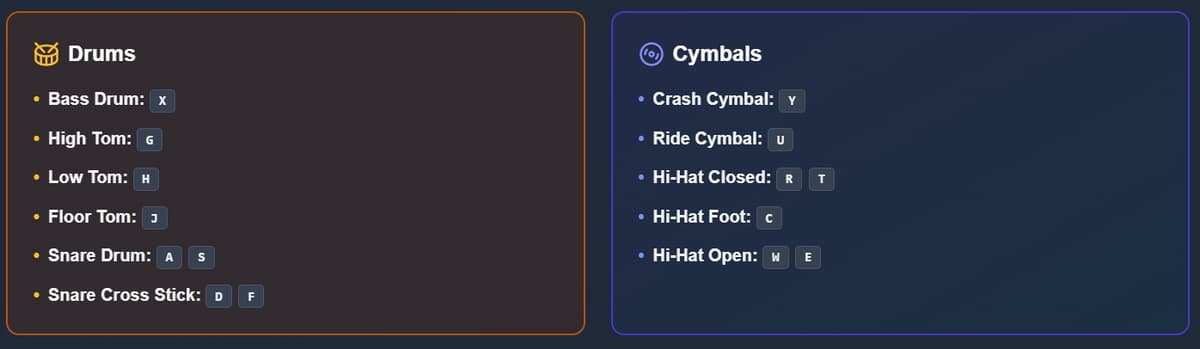
Even without playing, you can improve a lot by understanding rhythm. Time signatures, subdivisions, basic rudiments… it all adds up when you finally sit at a real kit. No need to overcomplicate it, just get familiar with the basics.
When should you get a real drum kit?
Once you can keep a steady groove, coordinate hands and feet, and you know you want to stick with it. That's when getting an entry-level electronic kit makes sense. You'll notice the difference straight away.
Conclusion
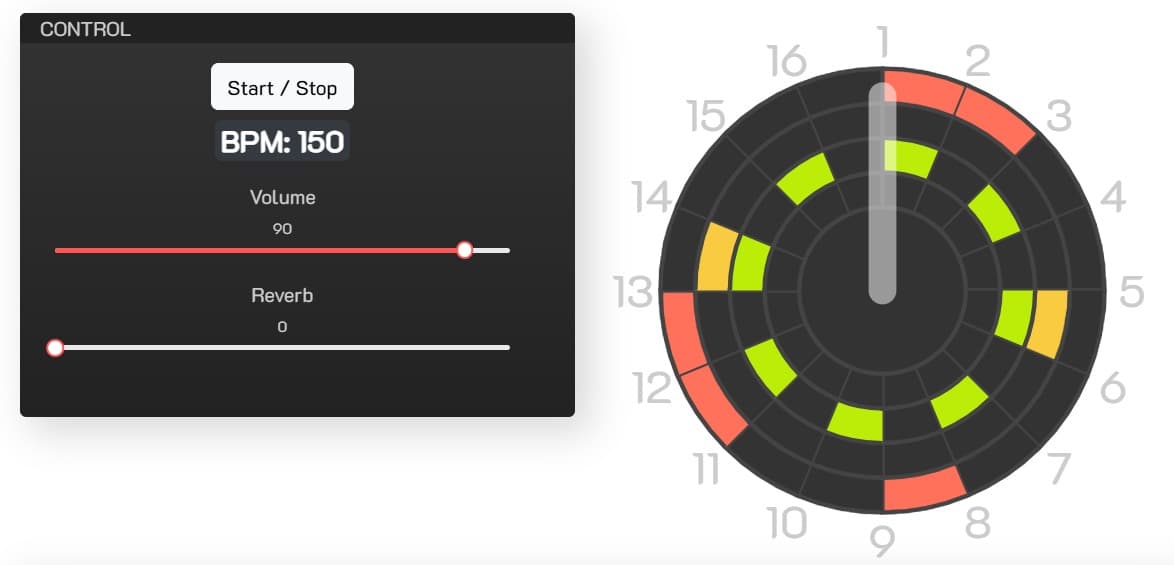
Not having a drum kit at home isn't a real limitation. With a virtual kit, a practice pad or even no equipment at all, you can still make solid progress if you stay consistent. At the end of the day, it's all about putting the time in.


