


One of the most common mistakes: starting without a clear base. You keep adding things until nothing fully fits.
Defining a key fixes that.
What you're actually choosing
A key defines:
- Which notes you use
- Which chords make sense
- How everything sounds together
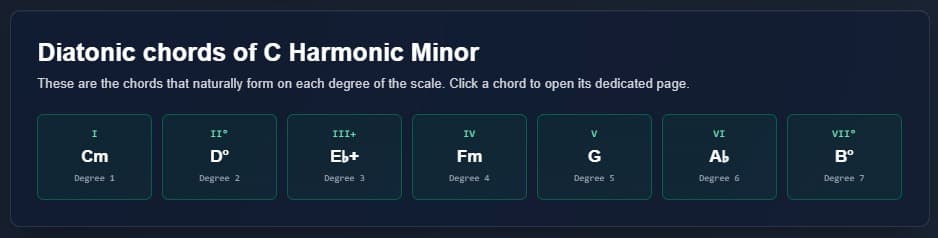
It's your framework.
Fewer decisions, better results
Without a key: anything might work, you end up guessing. With a key: everything connects, decisions are easier.
How to use it
Simple workflow:
- Pick a key (e.g. G major)
- Use its notes
- Build chords from it
Things fall into place.
How it connects
Everything links back:
- Scales → from the key
- Chords → built from it
- Progressions → follow it
Avoid problems later
Most issues come from skipping this step:
- Melodies clash
- Chords don't fit
- Progressions feel off
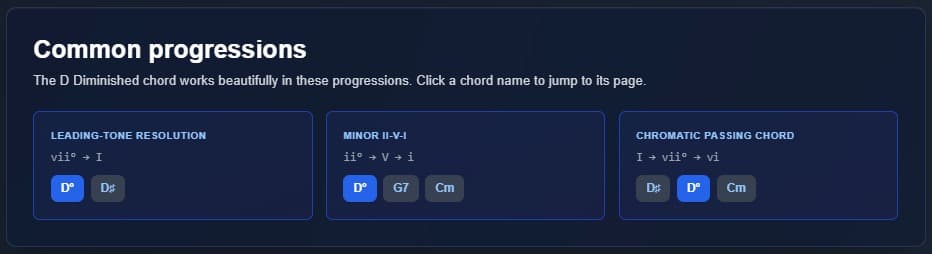
A clear key prevents that.
Conclusion
A key isn't complicated theory. It's structure. It saves you from fixing problems later.


