


Learning songs by ear is one of those skills that really sets musicians apart. You go from relying on tabs or sheet music to being able to figure out almost anything you hear. And no, it's not some special talent. It's something you train. With a bit of practice and the right approach, you can get surprisingly good at it.
Why learn by ear?
Sheet music and tabs are useful, but they're not always ideal. Sometimes they don't exist, sometimes they're wrong, and often they make you focus more on reading than actually listening. Training your ear changes that completely.
- You get better at recognizing notes, intervals and chords
- Your musical memory improves
- You become more confident when improvising
- You can learn pretty much any song, even without tabs
Step 1: listen before you play
Before touching your instrument, listen to the song a few times. Don't worry about notes yet. Just try to understand the structure. Where does it change? Is there an intro? How many sections are there? It sounds basic, but it makes a big difference later on.
Step 2: find the key
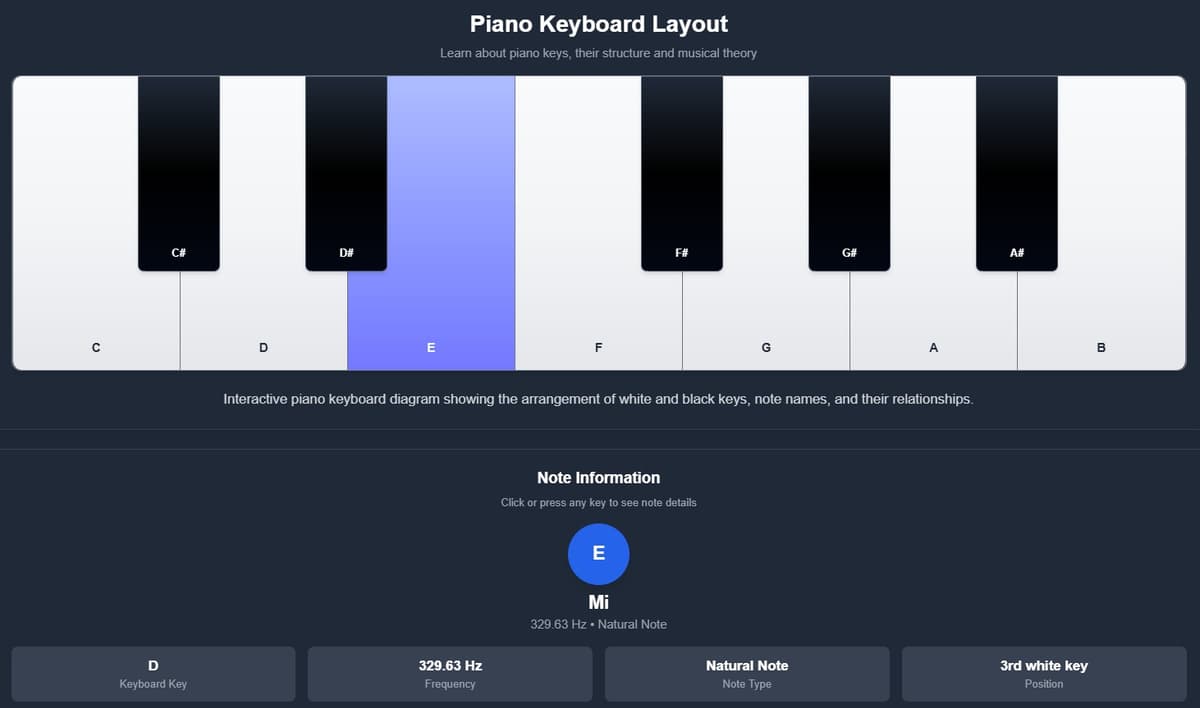
Next step is figuring out the key of the song. The easiest way is to try notes until you find the one that feels like "home". You can use a virtual piano for this. Just play along until something clearly fits. Once you know the key, everything gets easier because you're working within a smaller set of notes.
Step 3: isolate the instrument
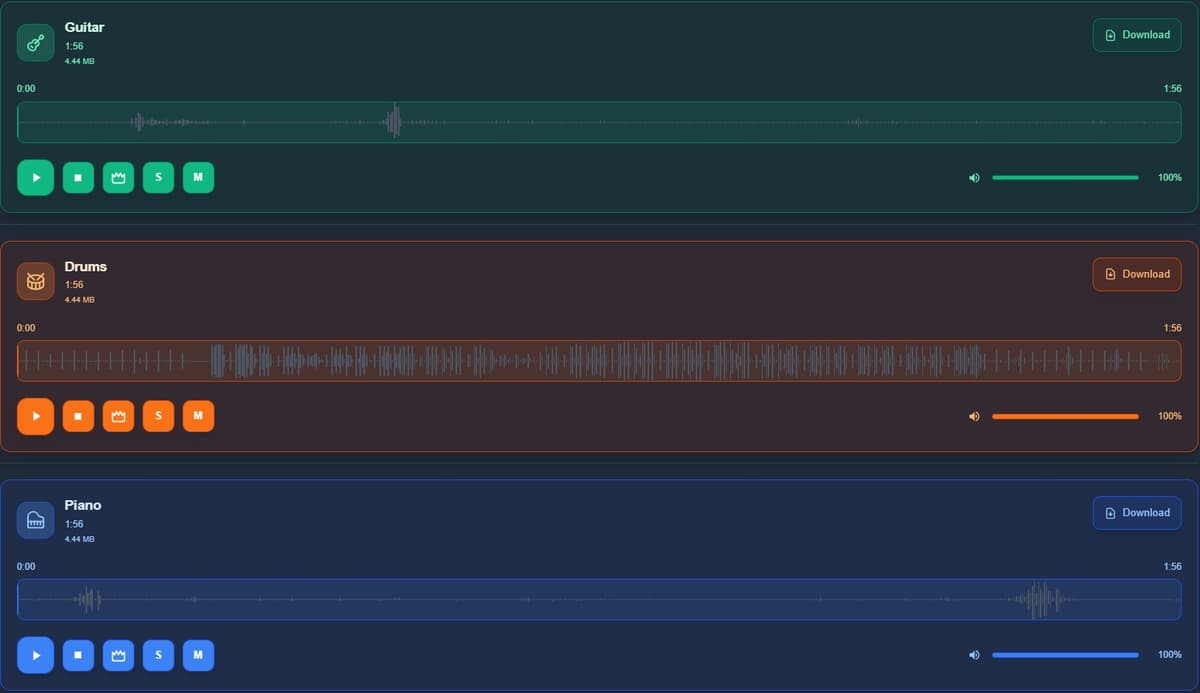
One of the hardest parts of learning by ear is that everything plays at once. That's why it helps to isolate the instrument you care about. With a stem separation tool, you can listen to just the bass, piano, vocals, or whatever you want. It makes things much clearer.
Step 4: work in small sections
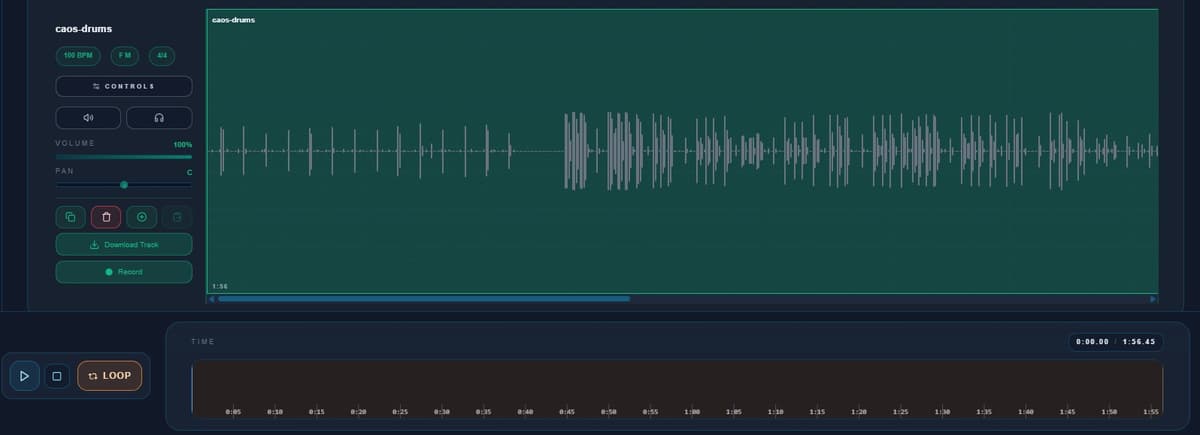
Trying to learn the whole song at once is a common mistake. Break it into small parts and focus on one phrase at a time. Loop it, listen carefully, and then try to play it. Start with the first note, then figure out how the melody moves from there.
Step 5: lock in the rhythm
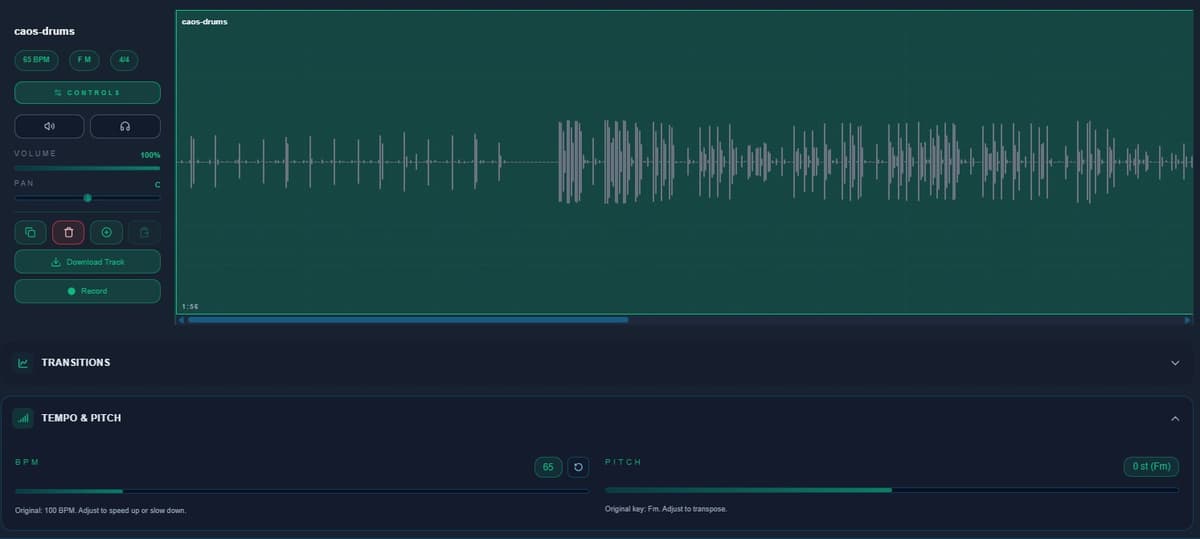
Once you have the notes, focus on timing. Pay attention to note length, pauses and accents. A lot of mistakes come from rhythm, not pitch. Using a metronome helps a lot here. Start slow, then gradually speed up.
Step 6: figure out the chords
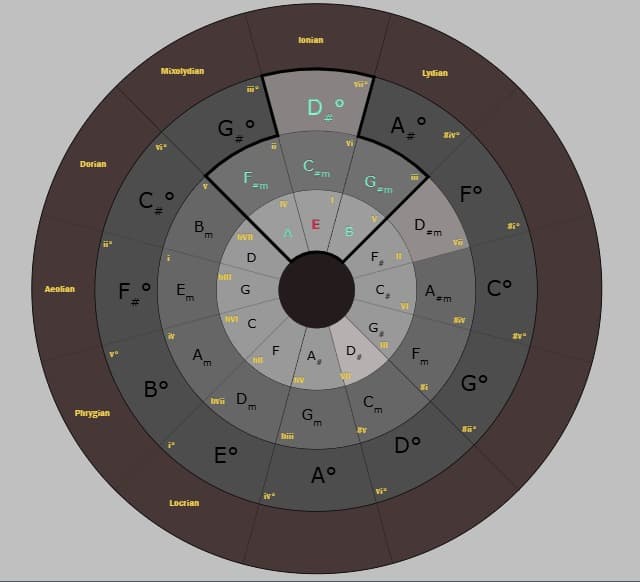
If you play guitar, piano or bass, you'll also need the chords. Once you know the key, you already have a good idea of which chords are likely to appear. Most songs use pretty common progressions, so you won't be guessing blindly.
Step 7: play along with the original
Now test it. Play along with the original track. If it fits, you're good. If something sounds off, go back and fix it. Usually it's just a small detail.
Conclusion
Learning by ear isn't some mysterious skill. It's something you build over time. With practice and the right tools, it becomes much easier than it looks at first. Start with simple songs and keep going. You'll notice the progress sooner than you expect.


